
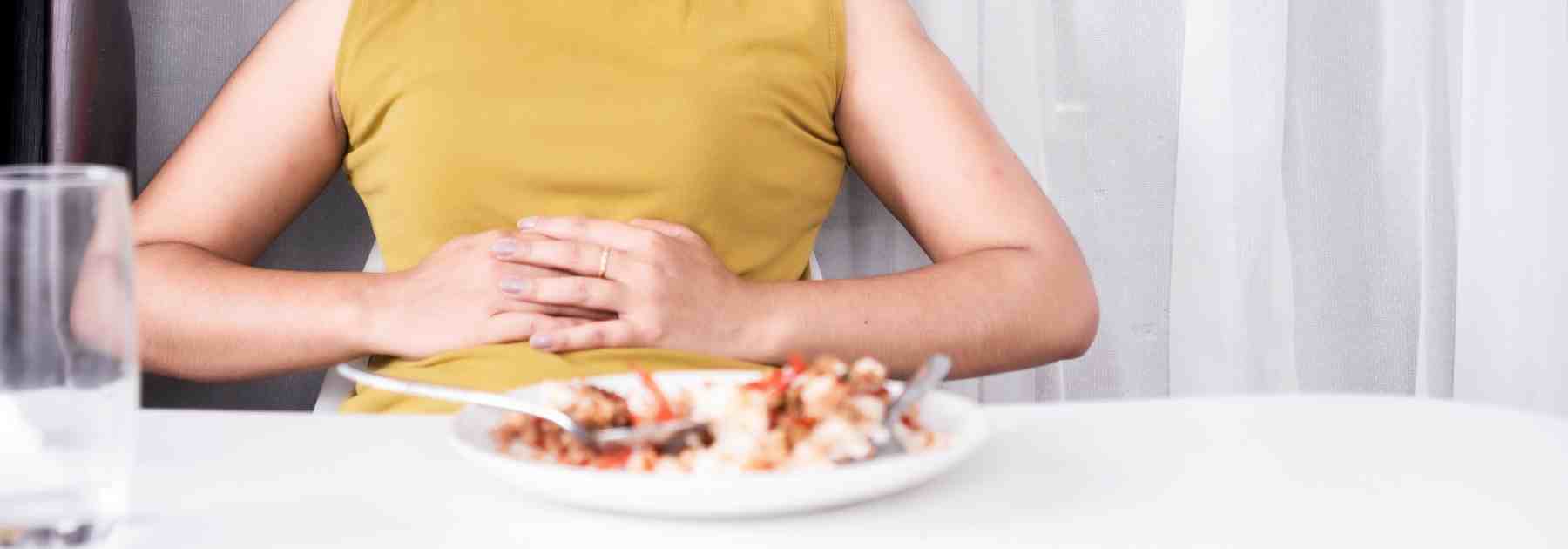
At Pharmaesthetics Central, one of the most common concerns we hear from clients is: “Why does my stomach feel bigger, even when I haven’t gained weight?” You might wake up with a relatively flat tummy, only to feel uncomfortable and swollen by the end of the day. Or perhaps your clothes feel tighter, but the scale hasn’t moved.
So what’s really going on? When it comes to changes in the size or shape of your stomach, it’s important to understand the difference between bloating vs fat. While both can affect confidence and comfort, they are very different in cause, duration, and how to address them.
Below, we’ll walk you through 5 key questions to help you figure out whether you’re dealing with temporary bloating or stored fat—and what to do if you’re ready to lose weight for good.
1. How Long Does the Swelling Last?
Bloating is often short-term. It might come on quickly after eating and resolve within a few hours or by the next morning. It’s caused by trapped gas, water retention, or digestive discomfort. You may feel puffy, stretched, or full—but it’s rarely permanent.
Fat, on the other hand, develops gradually and doesn’t go away on its own. It’s stored energy from excess calories and builds up over time, especially around the abdomen.
Ask yourself: Do I feel significantly slimmer in the morning or after a bowel movement? If yes, you’re likely dealing with bloating. If the roundness is constant, it’s more likely to be fat.
2. When Does It Appear During the Day?
Bloating tends to worsen as the day goes on, especially after meals, fizzy drinks, or high-sodium snacks. If your belly expands noticeably between breakfast and bedtime, that’s a telltale sign of bloating.
Fat remains consistent—your shape doesn’t fluctuate in the same way throughout the day.
Ask yourself: Is my stomach flatter in the morning, then noticeably rounder by evening? If so, bloating is the likely culprit.
3. Is It Triggered by Certain Foods or Habits?
Bloating is commonly linked to dietary choices and digestive issues. Common triggers include:
-
–> Fizzy drinks
-
–> High salt or processed foods
-
–> Dairy or gluten (if intolerant)
-
–> Beans and legumes
-
–> Eating too quickly
-
–> Artificial sweeteners
If you notice your symptoms spike after eating specific foods, bloating is the likely issue.
Fat gain, by contrast, isn’t sudden. It’s caused by a consistent calorie surplus and low physical activity over weeks or months.
Ask yourself: Are there patterns in when my belly feels bigger? Keep a food and symptom diary to spot connections.
4. How Does It Feel to the Touch?
Bloating often feels tight, gassy, or slightly painful. The abdomen may be tender and firm. You might experience rumbling, pressure, or the need to pass wind.
Belly fat feels soft and consistent, with no discomfort. It’s stored under the skin and around internal organs and doesn’t fluctuate day to day.
Ask yourself: Is my belly tender, gassy, or distended after meals? That points to bloating. If it’s soft and unchanged across days or weeks, it’s likely fat.
5. Do Your Clothes Fit Differently Throughout the Week?
Bloating can cause sudden changes in how your clothes fit: tight waistbands, popped buttons, or a feeling of being “full” in your clothes without having gained weight.
Fat accumulation causes long-term changes in clothing fit and usually prompts buying new sizes.
Ask yourself: Do my clothes feel fine one day, and tight the next—even if my weight hasn’t changed? That inconsistency is a classic bloating sign.

What If It’s Fat—and You’re Ready to Lose It?
If you’ve answered these questions and suspect you’re dealing with fat gain rather than bloating, you’re not alone. Belly fat is one of the most stubborn areas to shift, and one of the most common reasons people come to our clinic.
At Pharmaesthetics Central, we offer medically supported weight loss programmes designed to help you:
-
–> Lose abdominal fat safely and steadily
-
–> Reduce hunger and improve portion control
-
–> Avoid crash dieting and yo-yo weight gain
-
–> Gain the confidence and body shape you’ve been working toward
We provide access to effective treatments like Wegovy and Mounjaro, two injectable medications that help regulate appetite, improve blood sugar control, and support long-term fat loss.
These are especially beneficial for individuals who:
-
–> Struggle to lose weight despite healthy eating
-
–> Experience weight plateaus
-
–> Have conditions like insulin resistance or PCOS
-
–> Need medical guidance to lose weight safely
Our weight loss team offers:
-
–> Full clinical assessments
-
–> Personalised nutrition and exercise plans
-
–> Medical supervision throughout your journey
-
–> Ongoing support and progress reviews
Ready to Feel Lighter, Healthier, and More Confident?
Whether your stomach woes are down to bloating or fat, we’re here to help you get to the root of the issue and create a plan that works for your body.
Book a consultation at Pharmaesthetics Central today and take the first step towards lasting, visible results. We’ll help you look and feel your best, from the inside out.

This blog was written on behalf of Pharmaesthetics Central by Pharmacy Mentor.